Corrosion is one of the main challenges to the durability and safety of metal structures in industrial environments. From manufacturing plants to energy infrastructure and outdoor-exposed structures, steel deterioration can lead to high maintenance costs, unscheduled repairs, and even operational risks.
In many cases, corrosion begins gradually and goes unnoticed until the damage has already compromised the asset’s structural performance. Therefore, implementing an appropriate corrosion protection system early on is essential to extending the service life of metal structures and reducing long-term operating costs.
Today, industrial coatings are an essential part of protection strategies for steel structures exposed to moisture, chemicals, salinity, and harsh environmental conditions.
Why Does Corrosion Occur?
Corrosion is a natural process by which metals deteriorate when they come into contact with the environment.
In the case of steel, exposure to oxygen and moisture triggers an electrochemical reaction that causes oxidation and the gradual loss of material.
Although this process may seem slow at first, certain industrial environments can significantly accelerate the deterioration of a metal structure.
Corrosion does not only affect the surface appearance. It can also compromise:
- Structural strength.
- Material integrity.
- Operational safety.
- The asset’s service life.
- Maintenance costs.
For this reason, corrosion protection is a critical factor in industrial and infrastructure projects.
Factors That Accelerate Industrial Corrosion
Not all metal structures deteriorate at the same rate. The operating environment directly affects the rate and severity of corrosion.
Constant Moisture
Continuous exposure to moisture is one of the most aggressive factors affecting steel. Humid environments promote oxidation and accelerate surface deterioration.
Saline Environments
Coastal areas or environments containing salts are particularly corrosive. Salt increases conductivity and accelerates chemical reactions on the metal surface.
Chemical Exposure
In industrial environments where vapors, solvents, or chemicals are present, metal structures can sustain more severe damage if they lack adequate protection.
Temperature Fluctuations
Temperature fluctuations cause materials to expand and contract, affecting the coating’s performance and contributing to progressive deterioration.
Industrial Pollution
Airborne particles, industrial gases, and atmospheric pollutants can accelerate the degradation of exposed metal surfaces.
Surface Preparation: A Critical Step
One of the most common mistakes in industrial projects is focusing solely on the type of paint or coating, without paying sufficient attention to surface preparation.
The reality is that even the best anti-corrosion system can fail if the surface was not properly prepared.
Proper preparation allows for:
- Improved coating adhesion.
- Remove contaminants.
- Reducing the risk of peeling.
- Increase the system’s durability.
- Improved corrosion resistance.
Depending on the project, preparation may include:
- Mechanical cleaning.
- Degreasing.
- Abrasive blasting.
- Rust removal.
- Controlled anchor profile.
The selection of the appropriate method depends on the environment and the coating system to be applied.
Most Commonly Used Anti-Corrosion Systems
There are currently various types of systems designed to protect metal structures in demanding industrial environments.
The correct selection depends on factors such as environmental exposure, expected service life, maintenance, and type of industry.
Epoxy Systems
Epoxy coatings are widely used for their excellent adhesion and chemical resistance.
Their advantages include:
- High corrosion resistance.
- Good performance in industrial environments.
- Excellent adhesion to properly prepared steel.
- Compatibility with multi-layer systems.
They are commonly used in:
- Industrial structures.
- Piping.
- Energy infrastructure.
- Manufacturing plants.
Polyurethanes
Polyurethane systems are often used as high-performance finishes due to their environmental resistance and aesthetic stability.
Their main benefits include:
- UV resistance.
- Color and gloss retention.
- Weather resistance.
- Good outdoor performance.
They are often combined with epoxy systems to create multi-layer solutions.
Zinc-Rich Primers
Zinc-rich primers provide cathodic protection on metal surfaces, helping to slow the progression of corrosion.
They are used on structures exposed to harsh environments and in projects requiring high durability.
Powder Coatings and Liquid Coatings
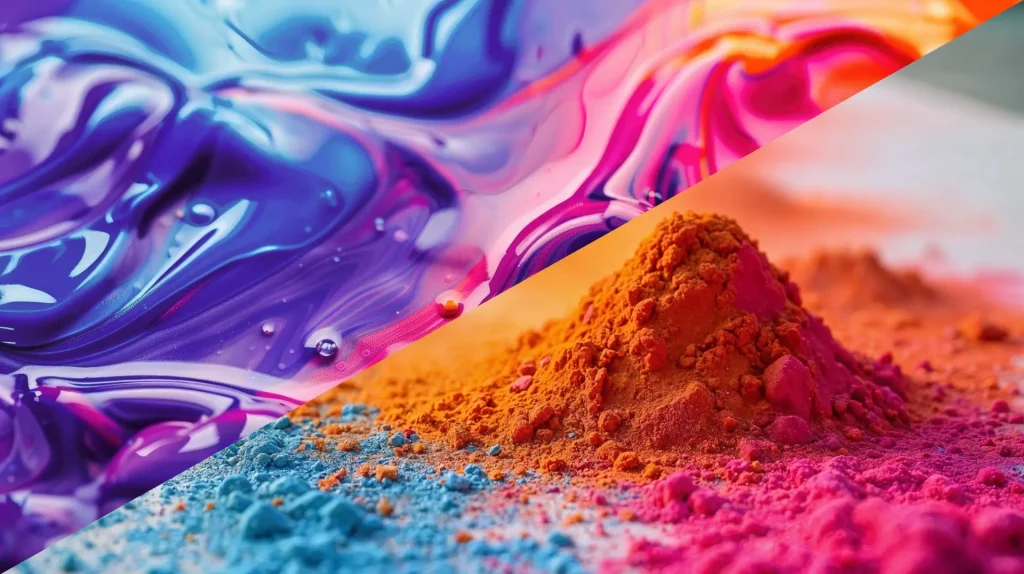
Depending on the application, both powder coatings and liquid coatings can be part of a protection strategy.
Powder Coating
Powder coating, also known as electrostatic painting, offers:
- Excellent uniformity.
- High mechanical strength.
- Durable finishes.
- Consistency in mass production.
It is commonly used in industrial applications such as:
- Metal furniture.
- Automotive.
- HVAC.
- Electrical applications.
Liquid Coating
Liquid systems offer greater flexibility and technical configuration options for complex anti-corrosion applications.
They are widely used in:
- Oil and gas.
- Water pipelines.
- Metal structures.
- Industrial infrastructure.
How to Select an Appropriate Corrosion Protection System
Selecting a protection system should not be based solely on initial cost or superficial appearance.
Various technical factors must be evaluated before deciding on a solution.
Type of Environment
Protecting a structure in a dry indoor environment is not the same as protecting a platform exposed to salt or constant humidity.
Expected Service Life
Some projects require temporary protection, while others need long-term performance with minimal maintenance.
System Compatibility
It is important to verify compatibility among primers, intermediate coats, and topcoats to ensure proper performance.
Regulatory Requirements
In sectors such as drinking water or energy, there may be specific standards that must be met.
Expected Maintenance
A properly designed system can significantly reduce corrective maintenance costs and operational downtime.
Common Mistakes That Reduce Corrosion Protection
Many premature corrosion problems stem from avoidable errors during system selection or application.
Among the most common are:
- Poor surface preparation.
- Incorrect application of the coating.
- Inadequate film thicknesses.
- Incorrect system selection.
- Environmental exposure not taken into account.
- Lack of inspection and maintenance.
An anti-corrosion system must be evaluated as a comprehensive solution and not merely a surface finish.
Service Life and Maintenance of Metal Structures
Proper implementation of corrosion protection systems can significantly extend the service life of a metal structure.
In addition to protecting the steel, a properly selected system helps to:
- Reduce repair costs.
- Reduce corrective maintenance.
- Minimize downtime.
- Maintain structural integrity.
- Improve operational reliability.
However, even high-performance systems require periodic inspections and preventive maintenance programs to maintain their long-term effectiveness.
Strategic Protection from the Start of the Project
Industrial corrosion is one of the main factors contributing to the deterioration of metal structures. Implementing an appropriate protection strategy early on can make a significant difference in costs, safety, and operational performance.
Selecting the right system must take into account the environment, the type of structure, and the actual operating conditions to ensure reliable, long-lasting protection.
At DQ Coatings, we develop industrial powder and liquid coating solutions that provide corrosion protection and reliable performance across various sectors.
What Is the NSF/ANSI 61 Standard, and Why Is It Important for Drinking Water Systems?